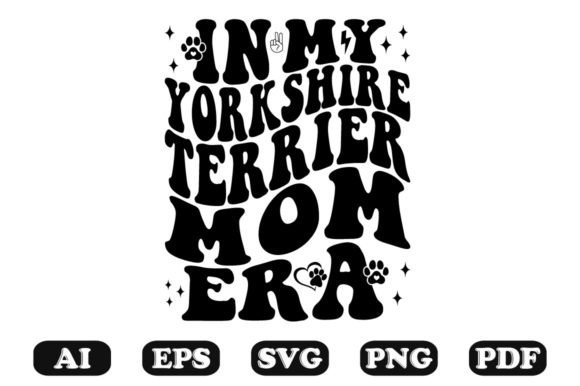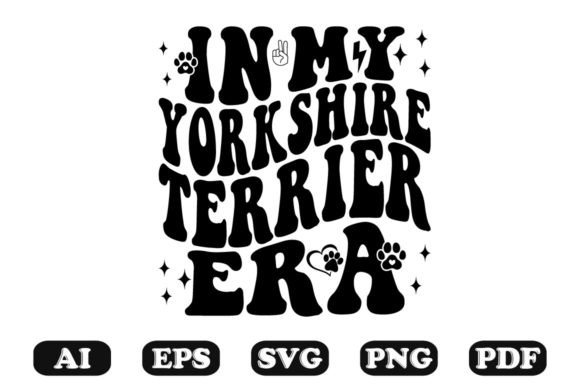
In My Yorkshire Terrier Era SVG T-shirt
First Impressions: A Playful, Nostalgic Vibe That Feels Hand-Crafted
When I opened In My Yorkshire Terrier Era SVG T-shirt, I didn’t see just another text-based embroidery file—I saw a mood. The retro wavy typography, soft curves, and vintage-inspired spacing immediately conjure Sunday strolls with your tiny companion, handwritten notes on café napkins, and that warm, slightly whimsical pride every Yorkie owner wears like a badge. It’s not overly cutesy or cartoonish; it leans into typographic charm with gentle rhythm—ideal for makers who want personality without sacrificing polish.
A Real-World Test: Embroidering This on a Linen-Cotton Tote Bag
Last week, I used In My Yorkshire Terrier Era SVG T-shirt to embroider a medium-weight linen-cotton tote for a local pet boutique’s spring launch. I chose a 4” hoop, medium tear-away stabilizer, and matte cotton thread in charcoal grey. The result? Clean, legible, and quietly confident—no bleeding, no skipped stitches, and the wavy baseline held its shape beautifully across the slightly textured fabric. Customers paused at the display—not because it shouted, but because it felt intentional, human, and deeply relatable. That’s the quiet power of this design: it doesn’t need a dog silhouette to communicate devotion. The words alone do the work.
Where It Shines (and Where It Asks for Thoughtful Handling)
In My Yorkshire Terrier Era SVG T-shirt performs exceptionally well on stable, mid-weight fabrics—think sweatshirts, canvas totes, tea towels, pillow covers, and structured aprons. Its generous letter spacing and open counters mean satin stitch legs stay crisp, fill stitches breathe, and running-stitch outlines remain distinct even at modest sizes (3.5–4.5”). It’s especially effective as a centered chest piece on crewnecks or a subtle side-embroidered detail on baby onesies.
That said, it’s not universally forgiving. On highly stretchy knits (like lightweight jersey tees), the wave’s flow can distort unless paired with cutaway stabilizer and careful hooping. On dark fabrics, avoid light thread without testing contrast first—the vintage tone relies on readability, not opacity. And while the design avoids ultra-thin lines or micro-details, the tightest curves near the “Y” and “R” in “Yorkshire” benefit from a test run on scrap before committing to a curved surface like a cap brim or rounded pillow edge.
Design Integrity Meets Commercial Practicality
As an embroidery designer and Etsy seller myself, I pay close attention to how a digital embroidery file supports—not undermines—my brand. In My Yorkshire Terrier Era SVG T-shirt strengthens handmade presentation. Its retro wavy style feels curated, not algorithm-generated, which builds customer trust faster than generic fonts ever could. When used on nursery decor or holiday gifts (think: embroidered tea towels for a Yorkie-loving aunt), it adds instant warmth and specificity—making the finished product feel like a personal tribute, not mass-produced clip art.
It also scales gracefully across product types: small enough for a delicate patch, bold enough for a full-back sweatshirt layout, and adaptable enough for printable mockups used in Etsy listings. For craft business owners, that versatility means one design asset can support multiple SKUs—tote + onesie + pillow cover—without visual whiplash.
Practical Notes Every Embroiderer Should Check Before Stitching
- Test on scrap fabric first—especially if using textured weaves, blends, or dark backgrounds.
- Review stitch density in your embroidery software. If fill areas look overly dense, reduce density by 5–10% to prevent puckering on lighter fabrics.
- Confirm hoop size compatibility. While the design fits comfortably in a 4” or 5” hoop, double-check the outer dimensions before scaling for large-format projects.
- Inspect small details—particularly where letters meet the wave baseline—to ensure no unintended overlaps or gaps appear when converted to machine embroidery format.
- Try black-and-white mockups to assess legibility and contrast before finalizing thread colors.
- Use appropriate stabilizer: medium tear-away for stable fabrics, cutaway for knits or high-wear items like baby clothes.
- Verify licensing terms before selling finished embroidered goods or reselling the digital embroidery file. Since this is listed under Graphics and Crafts, confirm whether commercial use is explicitly permitted.
Fitting Into Your Creative Workflow—Beyond Just “Cute”
This isn’t just a dog-themed novelty. In My Yorkshire Terrier Era SVG T-shirt slots cleanly into niches where authenticity matters: boutique apparel brands building community around lifestyle identity, craft fair vendors offering personalized gifts with narrative weight, and Etsy sellers curating collections around micro-aesthetics—vintage typography, pet parenthood, quiet confidence. It works equally well as a standalone embroidery file or as part of a larger SVG bundle for themed product drops (e.g., “Pet Parent Era” collections).
I’ve used it alongside simple applique designs and minimalist paw prints—not to compete, but to complement. Its strength lies in restraint: no extra flourishes, no forced cuteness, just clean, confident communication. That makes it easier to maintain brand consistency across products and more likely to resonate with buyers who value intention over impulse.
Final Thought: A Design That Earns Its Place
Not every embroidery file earns repeat use. In My Yorkshire Terrier Era SVG T-shirt does—because it balances personality with practicality, nostalgia with clarity, and charm with craftsmanship. It doesn’t ask you to compensate for weak structure or vague intent. Instead, it invites thoughtful execution and rewards it with polished, emotionally resonant results. Whether you’re stitching a single custom gift or stocking a small shop, this is the kind of design that quietly lifts the perceived value of your finished product—and reminds customers why they choose handmade.