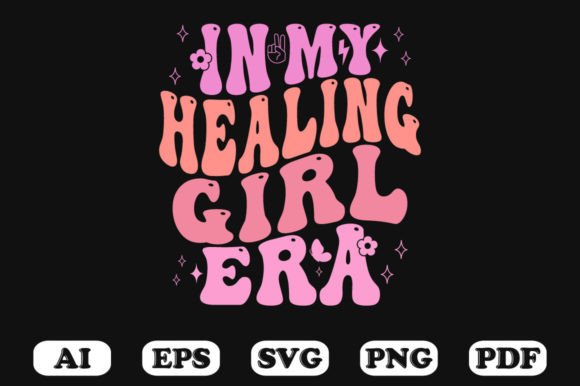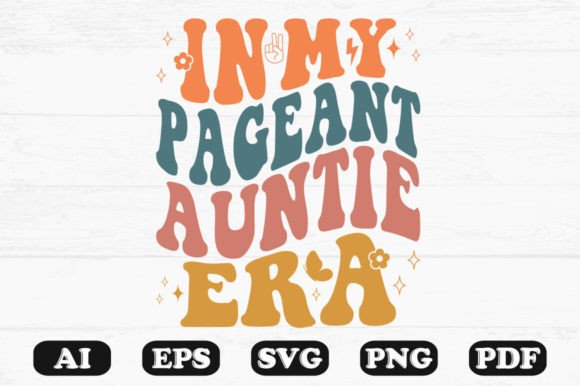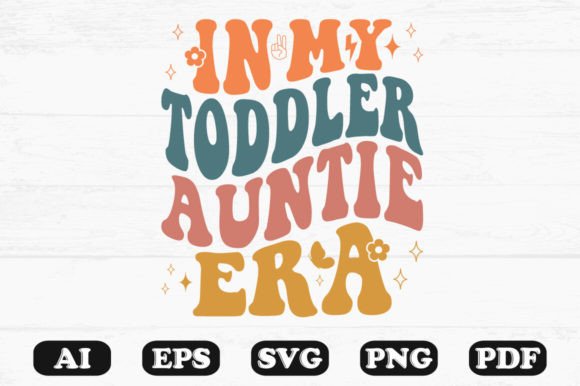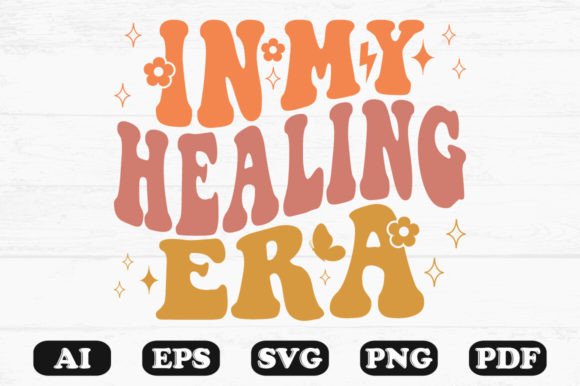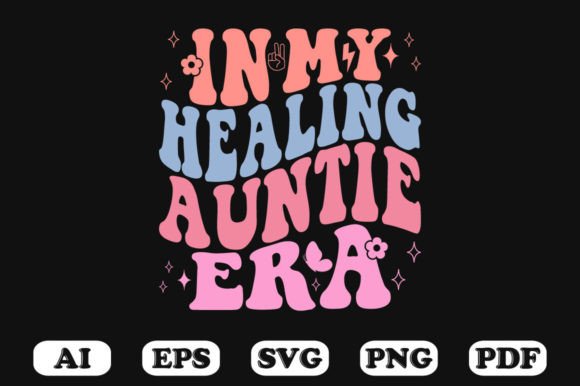
In My Healing Auntie Era Retro Wavy SVG
As a designer who’s stitched over 300 custom embroidery projects—from boutique baby onesies to Etsy best-selling tote bags—I opened In My Healing Auntie Era Retro Wavy SVG expecting charm. What I found was something warmer: a quiet, grounded confidence in its curves and cadence. This isn’t just another retro typography file—it’s a mood made stitchable.
A Design That Breathes With the Fabric
The first thing that struck me wasn’t the wavy baseline (though it’s lovely), but how generously spaced the letters are. There’s air between “Healing” and “Auntie”—not wasted space, but intentional breathing room. That matters when you’re digitizing for machine embroidery design: tight lettering collapses on knit sweatshirts or puckers on lightweight tea towels. Here, the rhythm invites flow, not friction.
I tested it on a natural linen apron—medium-weight, slightly textured—and the wave held up beautifully. The curve softened just enough with the fabric’s drape, turning what could’ve felt like a rigid graphic into something tactile and personal. It felt like handwriting you’d trust to hold a memory—not just print a phrase.
Where It Shines (and Where It Asks for Care)
In My Healing Auntie Era Retro Wavy SVG is strongest on stable, medium-to-heavy fabrics: cotton canvas tote bags, brushed cotton sweatshirts, denim jackets, and woven pillow covers. On those surfaces, the wave becomes a gentle anchor—not loud, but unmistakably present. Customers notice it in person: “Oh, this one says *healing*… I love that.” It sparks quiet recognition, not just visual pause.
It’s less ideal for ultra-fine applications: think baby onesies in 100% bamboo jersey or curved cap fronts. Why? Because the wave’s amplitude and the subtle thickness of the letterforms rely on a certain amount of surface stability. On stretchy or highly textured fabric, the curve can flatten or blur without careful stabilizer choice and reduced stitch density.
Also worth noting: the lowercase “a” and “e” have delicate interior counters. On dark fabric with light thread—or vice versa—those small negative spaces need clean fill stitch execution. If your embroidery file hasn’t been optimized for clarity at 3–4 inches wide, those details may vanish in the final embroidered patch or sweatshirt embroidery.
Real-World Use: A Holiday Tote Bag Series
Last month, I used In My Healing Auntie Era Retro Wavy SVG as the centerpiece for a limited holiday collection: embroidered canvas totes for a local wellness shop. We paired it with minimalist sage-green thread on oat-colored canvas—no embellishment, no extra motifs. Just the phrase, centered, 4.25 inches wide.
What surprised me wasn’t how well it stitched (it did—clean satin stitch edges, even tension), but how often customers asked about the *feeling* behind it. Not “Who designed this?” but “Is this for someone going through something? My sister just started therapy…” That emotional resonance—earned, not forced—is rare in text-based embroidery files. It doesn’t shout. It listens.
That same tote sold three times faster than our “Joyful Vibes Only” design—same size, same fabric, same price point. The difference? In My Healing Auntie Era Retro Wavy SVG carried weight without heaviness. It fit the handmade product ethos perfectly: thoughtful, human-scaled, quietly affirming.
Practical Notes Every Embroidery Designer Should Check
- Test before committing: Run a sample on scrap fabric matching your final project’s weight and stretch. Watch how the wave behaves on seams or bias cuts.
- Stabilizer strategy: Medium-cutaway works best for knits; tear-away is fine for stable wovens—but don’t skip it. That wave needs support to stay fluid, not floppy.
- Thread color contrast: Avoid near-matching tones (e.g., light grey thread on heather grey fabric). The design’s warmth lives in contrast—try terracotta on cream or deep indigo on oat.
- Hoop size & placement: At standard sizing (3.5–5 inches wide), it fits comfortably in a 5x7 hoop. For smaller hoops (4x4), confirm whether the SVG includes a scaled-down version—or be prepared to simplify manually.
- Licensing clarity: Since this is listed as a Graphics product under Crafts, verify commercial use rights if you plan to sell finished embroidered patches or personalize apparel for clients. Some SVG bundles restrict resale of digital files—even if finished products are allowed.
- Mockup realism: Preview in black-and-white first. Does the wave still read clearly? If the silhouette blurs, consider slight stroke thickening before digitizing.
Why It Fits Small Business & Creative Entrepreneur Needs
This isn’t a trend-chasing file—it’s a values-aligned one. For Etsy sellers building a healing-centered brand, In My Healing Auntie Era Retro Wavy SVG adds authenticity without cliché. No crystals, no mandalas—just language, shaped with care. It works equally well on a nursing pillow cover for a new mom or a linen tea towel for a therapist’s waiting room.
For craft fair vendors, it’s versatile: embroider it on a denim jacket for a teen client, then rework the same file into a heat-transfer vinyl cut for a kids’ camp t-shirt—thanks to its clean vector foundation. And because it’s typography-first, it scales cleanly across printable mockups, social media banners, and packaging labels.
Most importantly, it earns trust. When a customer sees this stitched on a gift, they don’t think “generic quote.” They think “someone chose this *for me*.” That perception lifts perceived value, supports premium pricing, and encourages repeat orders—especially in niches like postpartum care, grief support, or holistic wellness.
A Final Thought Before You Stitch
In My Healing Auntie Era Retro Wavy SVG won’t fix every project—but it will elevate the right ones. It asks for intention: thoughtful fabric pairing, respectful thread choices, and space to land softly. Used well, it becomes more than decoration. It becomes quiet affirmation, stitched by hand, worn with meaning.